

Graffiti can be a frustrating and unsightly problem in many communities. Whether it’s vandalism or street art, it’s essential to understand how to remove graffiti effectively. In this article, we will guide you through the process of graffiti removal, the types of graffiti you might encounter, and how to prevent future incidents. Let’s get started!
Understanding the Challenge of Graffiti Removal
The Prevalence of Graffiti
Graffiti is a common issue in urban and suburban areas. It not only defaces public and private property but can also negatively impact the overall aesthetic of a neighborhood. Graffiti is usually created with spray paint, markers, or other materials, and it often appears on walls, fences, and even vehicles.
Different Types of Graffiti
Graffiti comes in various forms, but broadly, we can categorize it into two main types:
Vandalism Graffiti
This type of graffiti is typically associated with illegal activities and often includes offensive symbols, words, or images. Vandalism graffiti aims to disrupt and deface public and private property.
Artistic Graffiti
Artistic graffiti is created by talented individuals who view their work as a form of expression. While it may be aesthetically pleasing, it can still be problematic when it’s done without proper permission on someone else’s property.
Preparing for Graffiti Removal
Before you embark on the graffiti removal process, it’s essential to prepare adequately:
Safety Precautions
Safety should always be a priority. Use protective gear, such as gloves and safety goggles, to prevent any contact with chemicals or graffiti residue. Adequate ventilation is also necessary when using certain cleaning agents.
Necessary Tools and Supplies
Gather the tools and supplies you’ll need, which may include scrapers, brushes, solvents, or graffiti-specific cleaning products. The right equipment can make the removal process more efficient.
Step-by-Step Guide to Graffiti Removal From Wall, Metal, Plastic, Wood, Glass
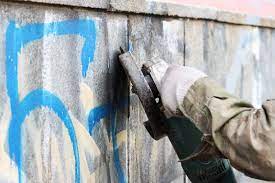
Now, let’s dive into the practical steps for graffiti removal:
Identifying the Surface
Before you start, determine the type of surface you’re dealing with, as different surfaces may require varying approaches.
Choosing the Right Cleaning Agent
Select an appropriate cleaning agent based on the surface and type of graffiti. Common choices include graffiti removers, acetone, or paint thinner.
Applying the Cleaning Agent
Apply the cleaning agent to the graffiti, following the manufacturer’s instructions. Give it some time to penetrate the graffiti, making it easier to remove.
Using the Appropriate Tools
Use the right tools for the job, such as scrapers or brushes. Be gentle, especially on delicate surfaces, to avoid causing damage.
Scrubbing Techniques
Gently scrub the graffiti in a circular motion. If it’s stubborn, apply a bit more cleaning agent and continue scrubbing.
Repeat as Needed
In some cases, you may need to repeat the process several times to completely remove the graffiti.
Testing for Residue
After removal, check for any residue. If there’s still a faint mark, repeat the process or consider repainting the surface.
Prevention Methods
Preventing graffiti is just as important as removing it. Here are some preventative measures:
Anti-Graffiti Coatings
Consider applying anti-graffiti coatings to your property. These coatings make it more challenging for graffiti to stick and are easier to clean.
Community Involvement
Engage your community in graffiti prevention efforts. Encourage reporting and prompt removal to deter vandals.
The Environmental Impact
Graffiti removal can have environmental consequences. It’s essential to be mindful of the environment during the process.
Eco-Friendly Graffiti Removal
Choose eco-friendly cleaning agents to minimize the impact on the environment. Look for biodegradable and non-toxic options.
Disposal of Graffiti Waste
Dispose of graffiti waste responsibly. Some graffiti removal products may produce hazardous waste, so follow proper disposal guidelines.
Conclusion
Removing graffiti can be a challenging task, but with the right knowledge and tools, it’s entirely possible. The key is to act promptly, use the right cleaning agents, and take safety precautions seriously. Additionally, consider preventative measures like anti-graffiti coatings to protect your property in the future.
FAQs
- What’s the best way to remove graffiti from a wooden surface?
- To remove graffiti from wood, use a gentle solvent and a soft brush or cloth. Be careful not to damage the wood.
- Can graffiti removal damage the underlying surface?
- It’s possible if aggressive methods are used. Always follow the appropriate removal techniques for the surface type.
- Are there any DIY graffiti removal solutions?
- Yes, some DIY solutions like baking soda and water paste can be effective for light graffiti.
- How can I report graffiti in my community?
- Contact your local authorities or community organization to report graffiti. Prompt reporting is vital.
- What should I do if I can’t remove graffiti myself?
- If you can’t remove graffiti, consider seeking professional graffiti removal services for more stubborn cases.